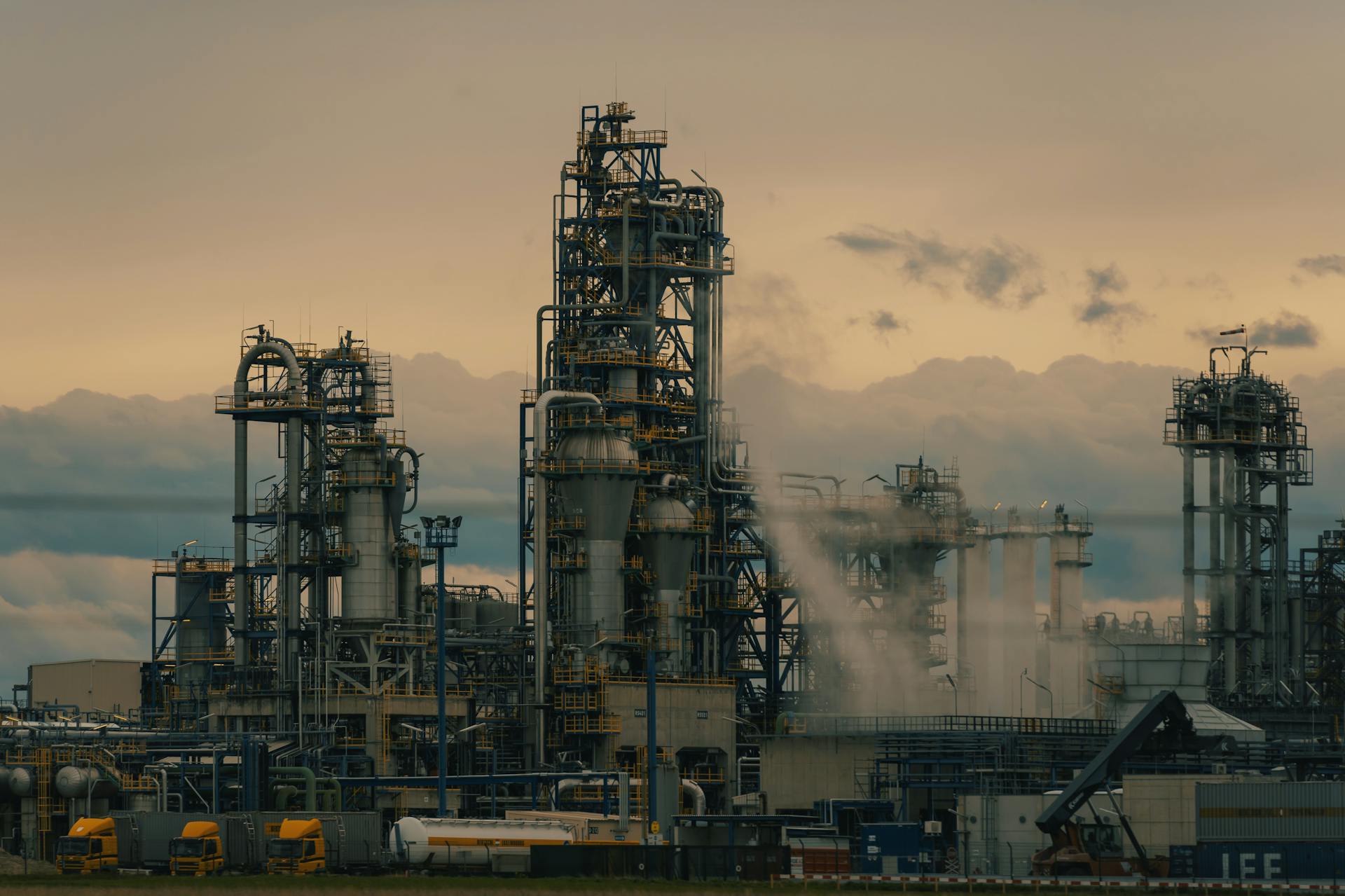

TIRS SERVICES – Offshore oil and gas assets operate in some of the most aggressive environments in the world. Constant exposure to saltwater, high humidity, ultraviolet radiation, and extreme weather conditions significantly accelerates corrosion. Without proper protection, corrosion can compromise structural integrity, reduce asset lifespan, and pose serious safety risks. Blasting and painting services play a vital role in protecting offshore structures from corrosion by preparing surfaces properly and applying protective coatings designed to withstand harsh marine environments.
Corrosion Challenges in Offshore Environments
Offshore structures such as platforms, pipelines, storage tanks, and support vessels are continuously exposed to corrosive elements. Salt-laden air, seawater splash zones, and high moisture levels create ideal conditions for corrosion to develop rapidly. Mechanical wear, temperature fluctuations, and chemical exposure further accelerate degradation. If corrosion is not effectively controlled, it can lead to steel thinning, coating failure, and ultimately structural damage. Managing corrosion is therefore a top priority in offshore asset maintenance strategies.
Importance of Surface Preparation
Effective corrosion protection begins with proper surface preparation. Blasting is the most critical step in ensuring that protective coatings adhere correctly to metal surfaces. Abrasive blasting removes rust, mill scale, old coatings, oil residues, and other contaminants that can weaken coating performance. Achieving the correct surface profile allows coatings to bond firmly, significantly enhancing durability and corrosion resistance. Professional blasting ensures compliance with international standards such as ISO, NACE, and SSPC.
Blasting Techniques Used in Offshore Projects
Professional blasting services utilize various techniques depending on project requirements and environmental constraints. Common methods include abrasive blasting using garnet or steel grit, water jetting, and wet abrasive blasting. In offshore environments, wet blasting is often preferred to minimize dust and environmental impact. Each technique is selected based on surface condition, coating specifications, safety requirements, and operational limitations. Proper selection and execution of blasting methods ensure optimal surface preparation and coating performance.
Protective Painting and Coating Systems
After blasting, protective painting is applied to shield offshore assets from corrosion. Offshore coating systems are specifically engineered to resist saltwater, chemical exposure, and mechanical stress. These systems may include primers, intermediate coats, and topcoats, such as epoxy, polyurethane, and zinc-rich coatings. Professional painting services ensure correct coating thickness, curing time, and application methods, which are essential for long-term corrosion protection in marine environments.
Safety Considerations in Blasting and Painting Operations
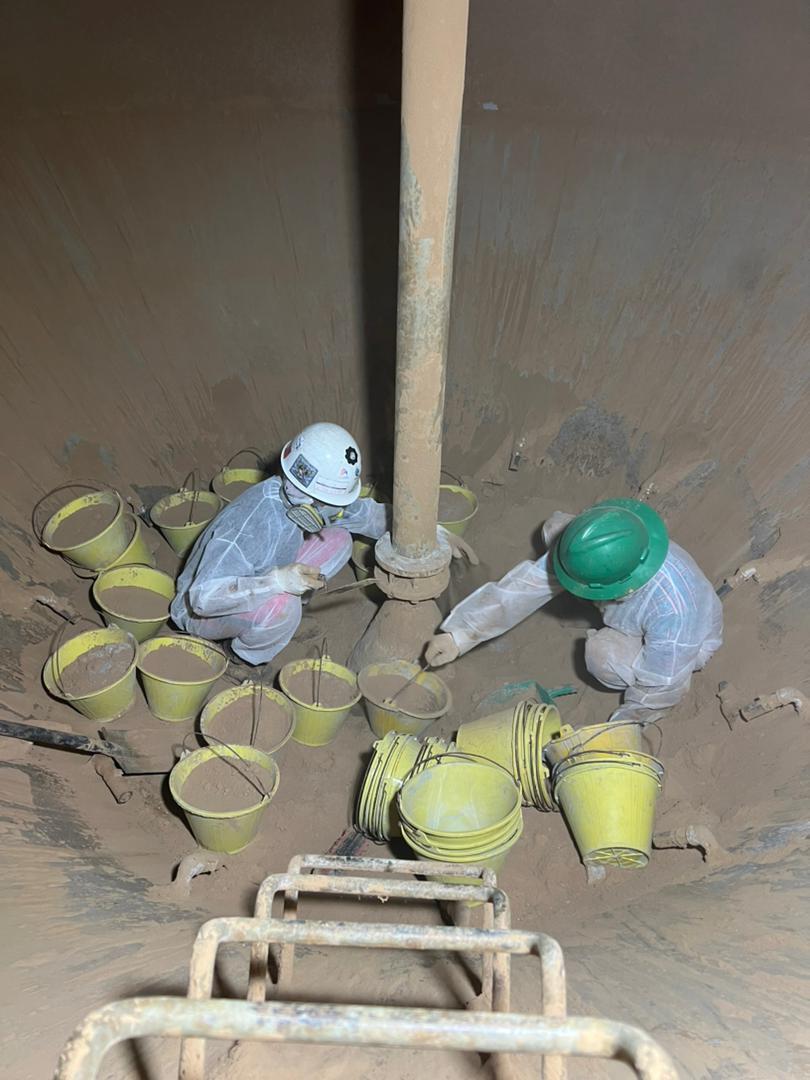
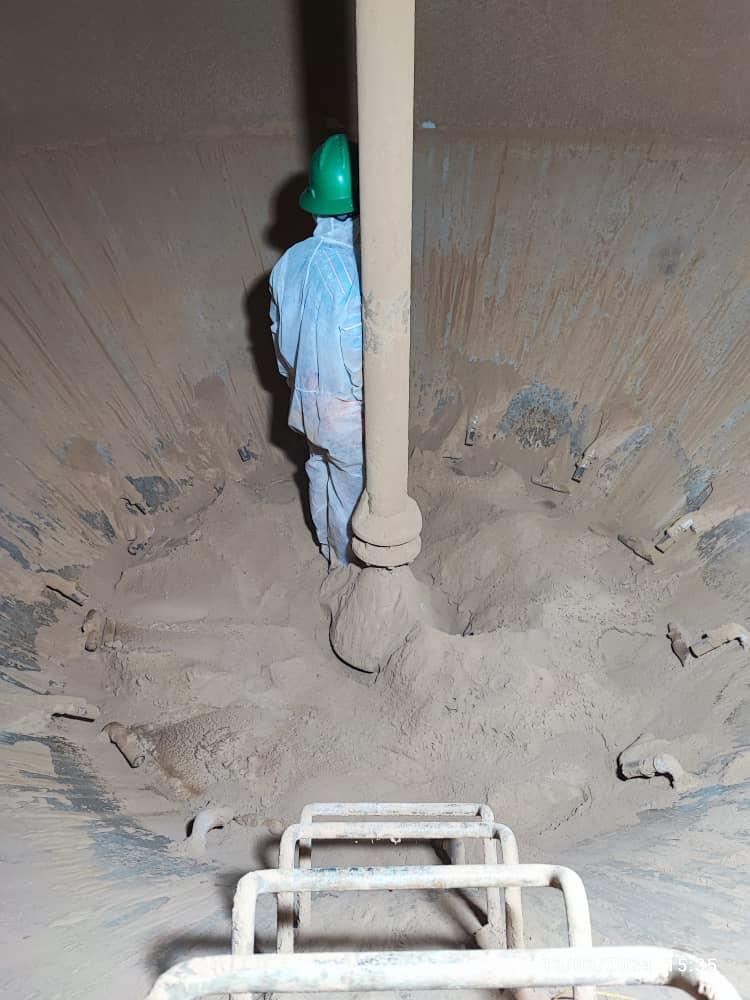
Blasting and painting activities involve significant safety risks, particularly in offshore settings. High-pressure equipment, hazardous materials, confined spaces, and working at height require strict safety controls. Professional service providers implement comprehensive safety management systems, including risk assessments, permit-to-work procedures, and trained personnel. Proper use of personal protective equipment (PPE), ventilation, and environmental monitoring ensures that operations are conducted safely while minimizing risks to workers and assets.
Regulatory Compliance and Quality Standards
Offshore oil and gas operations are governed by strict regulations related to safety, environmental protection, and asset integrity. Blasting and painting services must comply with industry standards and client specifications. Professional contractors adhere to recognized standards such as ISO 12944, NORSOK, and offshore operator requirements. Quality control inspections, surface profile measurements, and coating thickness checks ensure that all work meets regulatory and contractual expectations.
Extending Asset Lifespan and Reducing Maintenance Costs
One of the primary benefits of professional blasting and painting services is extending the lifespan of offshore assets. Effective corrosion protection reduces the frequency of repairs, minimizes steel replacement, and lowers long-term maintenance costs. By addressing corrosion early and applying high-performance coatings, operators can avoid costly structural failures and unplanned shutdowns. This proactive approach protects capital investments and supports long-term operational reliability.
Minimizing Downtime Through Planned Coating Programs
Unplanned downtime in offshore operations can result in significant production losses. Professional blasting and painting services can be integrated into planned maintenance schedules to minimize operational disruption. Experienced contractors use efficient work methods and specialized equipment to complete projects within tight timeframes. In some cases, localized repairs and touch-up coatings can be performed without shutting down entire systems, helping maintain production continuity.
Environmental Protection and Sustainable Practices
Environmental responsibility is a critical aspect of offshore operations. Blasting and painting activities must be carefully managed to prevent contamination of marine environments. Professional service providers use containment systems, dust control measures, and environmentally compliant materials to minimize environmental impact. The use of low-VOC coatings and waste management practices further supports sustainability goals while meeting regulatory requirements.
Technological Advancements in Corrosion Protection
Advancements in blasting and coating technologies continue to improve offshore corrosion protection. Automated blasting equipment, advanced coating materials, and improved inspection tools enhance efficiency and quality. High-performance coating systems with longer service lives reduce maintenance frequency and total lifecycle costs. Professional service providers stay updated with technological developments to deliver effective and reliable corrosion protection solutions.
Conclusion
Blasting and painting services are essential for protecting offshore assets from corrosion in harsh marine environments. Through proper surface preparation, high-quality coating application, and strict safety and quality control, these services ensure asset integrity, operational safety, and regulatory compliance. Investing in professional blasting and painting not only extends asset lifespan but also reduces maintenance costs and operational risks. In offshore oil and gas operations, effective corrosion protection is not optional—it is a critical component of sustainable and reliable asset management.