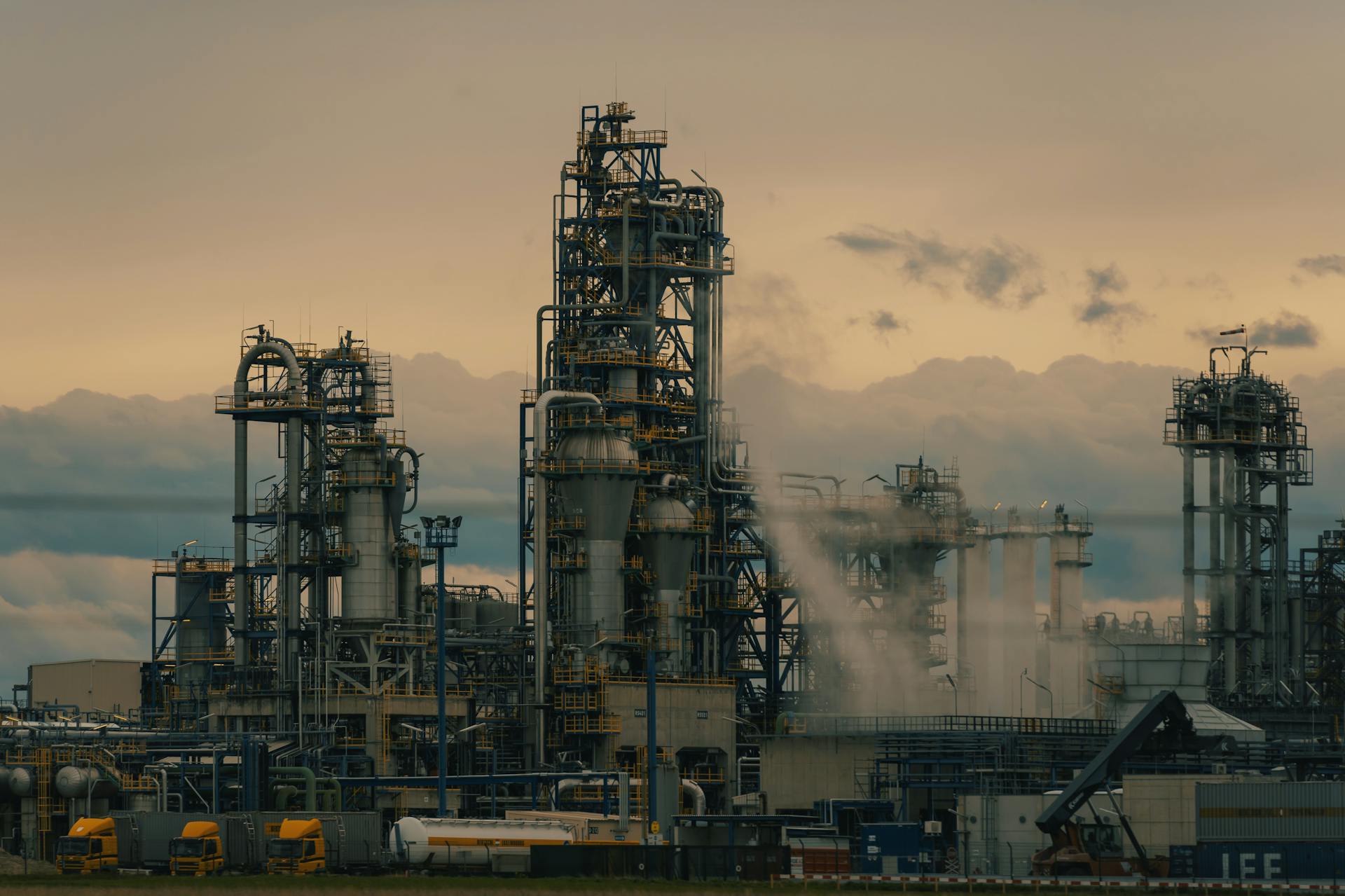

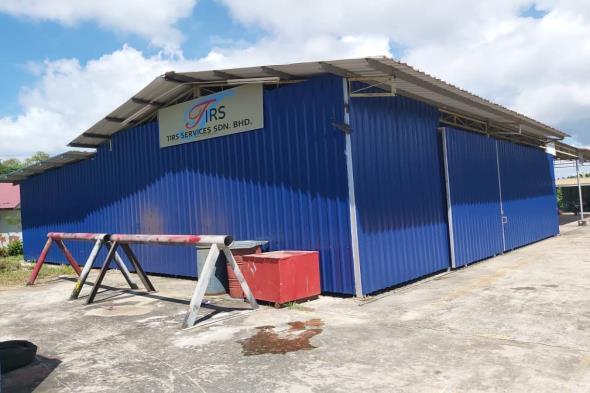
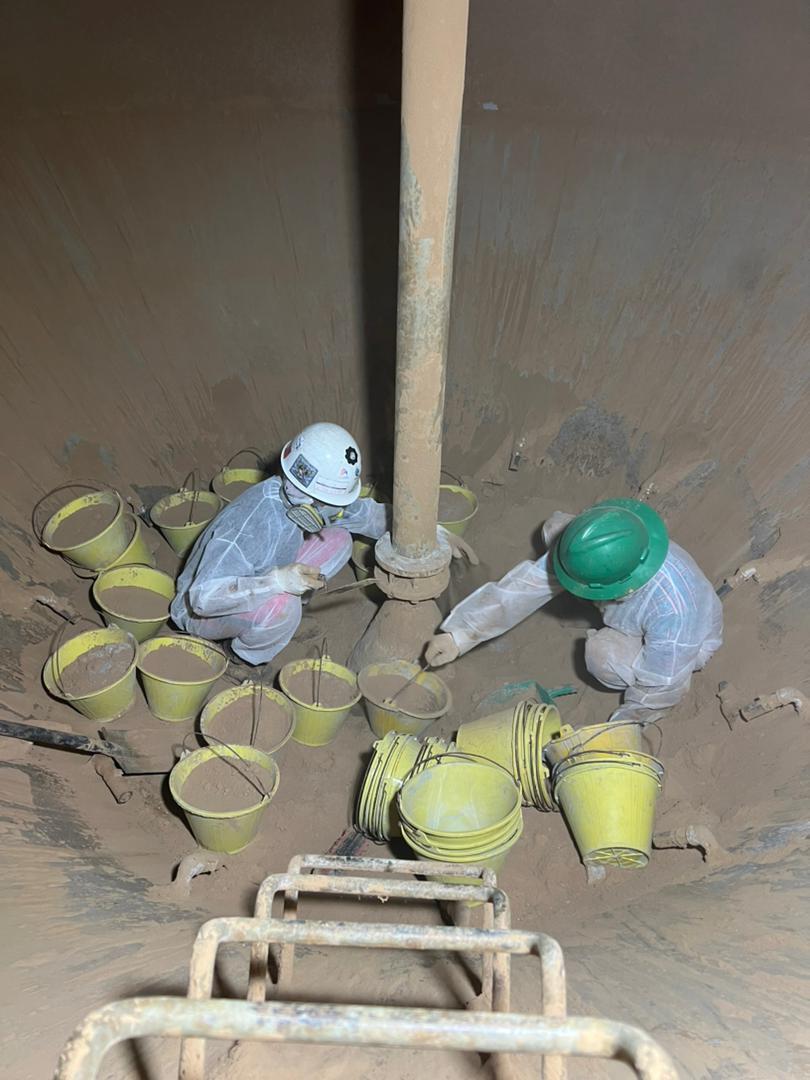
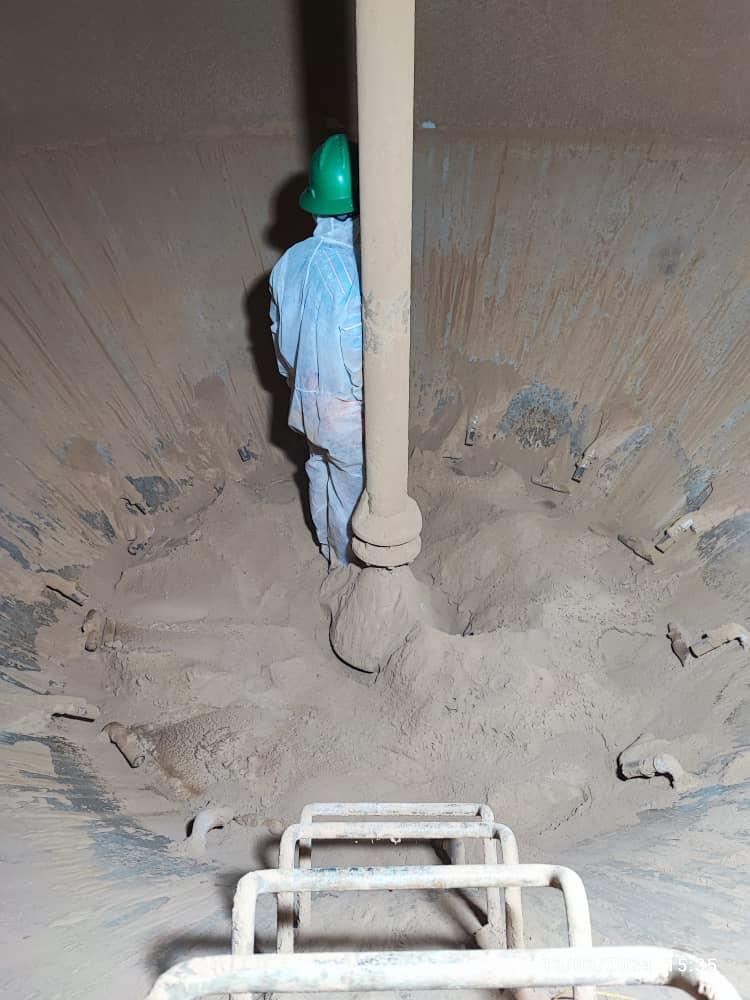
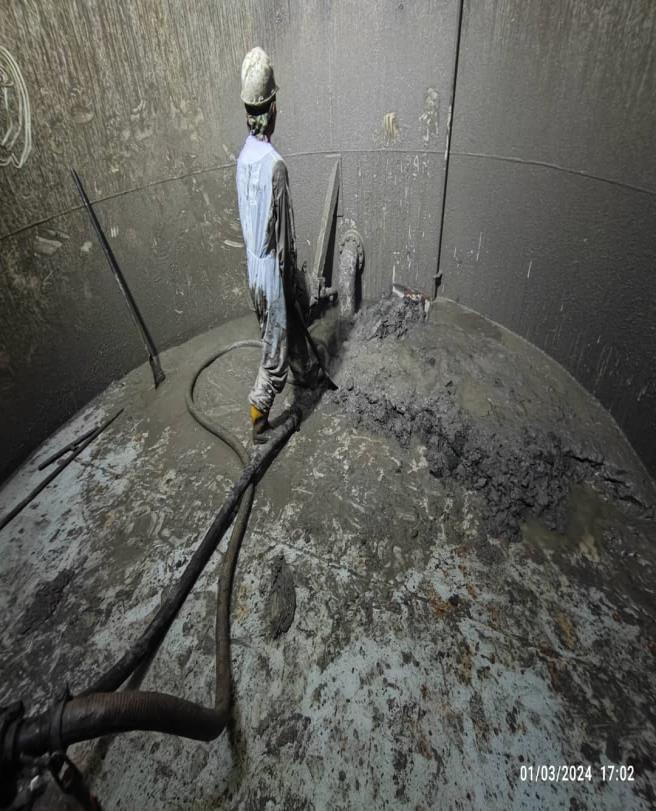

TIRS SERVICES – In oil and gas operations, storage tanks are critical assets used to store crude oil, refined products, chemicals, and process fluids. These tanks operate continuously under harsh conditions and are exposed to contaminants such as sludge, sediments, water, and corrosive substances. Over time, the buildup of these materials can severely affect operational performance, safety, and environmental compliance. Professional tank cleaning is therefore not optional maintenance, but a fundamental requirement to ensure safe, efficient, and sustainable oil and gas operations.
Common Causes of Tank Contamination
Tank contamination occurs naturally during the storage and handling of hydrocarbons. Heavy components in crude oil settle at the bottom of tanks, forming sludge layers that harden over time. Water ingress from condensation or process activities accelerates corrosion and promotes microbial growth. Rust, scale, and solid impurities further contribute to internal tank degradation. If left untreated, these contaminants reduce effective tank volume, disrupt flow systems, and compromise the quality of stored products.
Operational Risks of Unclean Tanks
Unclean tanks introduce multiple operational risks. Sludge accumulation restricts storage capacity and causes inaccurate volume measurements, leading to inventory losses. Contaminants may clog pumps, valves, and pipelines, increasing maintenance frequency and operational downtime. In refineries and terminals, contaminated feedstock can negatively impact downstream processing units, resulting in reduced efficiency and higher production costs. Professional tank cleaning helps eliminate these risks by restoring tanks to optimal operating conditions.
Safety Challenges in Tank Cleaning Activities
Tank cleaning is one of the most hazardous activities in oil and gas facilities due to confined space conditions, flammable vapors, and toxic residues. Poorly managed cleaning operations can lead to fires, explosions, or serious worker injuries. Professional tank cleaning providers are trained to manage these risks using strict safety procedures such as gas testing, ventilation, inerting, and confined space entry protocols. By applying industry best practices, professional services significantly reduce safety incidents and protect both personnel and assets.
Advanced Tank Cleaning Methods and Equipment
Professional tank cleaning utilizes advanced technologies designed to improve efficiency and safety. High-pressure water jetting systems effectively remove hardened sludge and deposits. Automated and robotic cleaning systems minimize human entry into tanks while maintaining high cleaning performance. Chemical cleaning methods are applied when required to dissolve stubborn residues. Vacuum recovery units safely collect sludge and waste materials for treatment or disposal. These technologies ensure thorough cleaning while reducing environmental and safety risks.
Regulatory Compliance and Industry Standards
The oil and gas industry operates under strict regulatory frameworks related to safety, environmental protection, and waste management. Regulatory bodies require operators to maintain tanks in safe and clean conditions to prevent leaks, spills, and contamination. Professional tank cleaning companies understand these regulatory requirements and ensure that cleaning operations comply with local and international standards. Proper documentation, waste handling, and environmental controls help operators avoid penalties, legal exposure, and reputational damage.
Environmental Protection and Waste Management
Environmental responsibility is a major concern in modern oil and gas operations. Sludge and tank residues often contain hazardous substances that must be handled carefully. Professional tank cleaning services implement controlled waste recovery, treatment, and disposal processes that minimize environmental impact. Some advanced systems allow recovery of hydrocarbons from sludge, enabling reuse and reducing waste volumes. By engaging professional services, operators demonstrate a commitment to environmental sustainability and responsible operations.
Cost Efficiency and Long-Term Financial Benefits
Although professional tank cleaning involves initial costs, it delivers significant long-term financial benefits. Clean tanks operate more efficiently, reducing energy consumption and maintenance expenses. Early removal of corrosive materials prevents severe structural damage, avoiding costly repairs or tank replacement. Planned cleaning schedules also reduce unplanned shutdowns and emergency interventions. When viewed as part of a preventive maintenance strategy, professional tank cleaning is a cost-effective investment rather than an expense.
Asset Integrity and Corrosion Control
Storage tanks represent substantial capital investments that must be protected throughout their service life. Corrosion is one of the primary threats to tank integrity, often driven by water, sediments, and microbial activity inside tanks. Professional tank cleaning removes corrosive agents and enables detailed inspection of tank surfaces. Identifying early signs of corrosion, cracks, or coating failure allows timely corrective actions, extending asset lifespan and ensuring continued operational reliability.
Minimizing Downtime Through Strategic Planning
Downtime in oil and gas operations can result in significant financial losses. Professional tank cleaning can be strategically planned during scheduled maintenance or shutdown periods to minimize production impact. Modern cleaning techniques reduce cleaning time and allow faster return to service compared to conventional methods. In some cases, online or semi-online cleaning systems enable cleaning without completely shutting down operations, further improving operational continuity.
Supporting Operational Excellence and Sustainability
Operational excellence in oil and gas requires a strong focus on safety, efficiency, and sustainability. Professional tank cleaning supports these objectives by maintaining clean, reliable, and compliant storage systems. Clean tanks contribute to consistent product quality, accurate inventory management, and stable operations. At the same time, responsible cleaning practices align with sustainability goals by reducing waste, preventing environmental incidents, and optimizing resource utilization.
Conclusion
Professional tank cleaning is a critical element of successful oil and gas operations. It addresses contamination, enhances safety, ensures regulatory compliance, protects the environment, and extends the lifespan of valuable assets. By investing in professional tank cleaning services, oil and gas companies can reduce operational risks, improve efficiency, and achieve long-term cost savings. In an industry where reliability and safety are paramount, professional tank cleaning is not just maintenance—it is a strategic necessity.