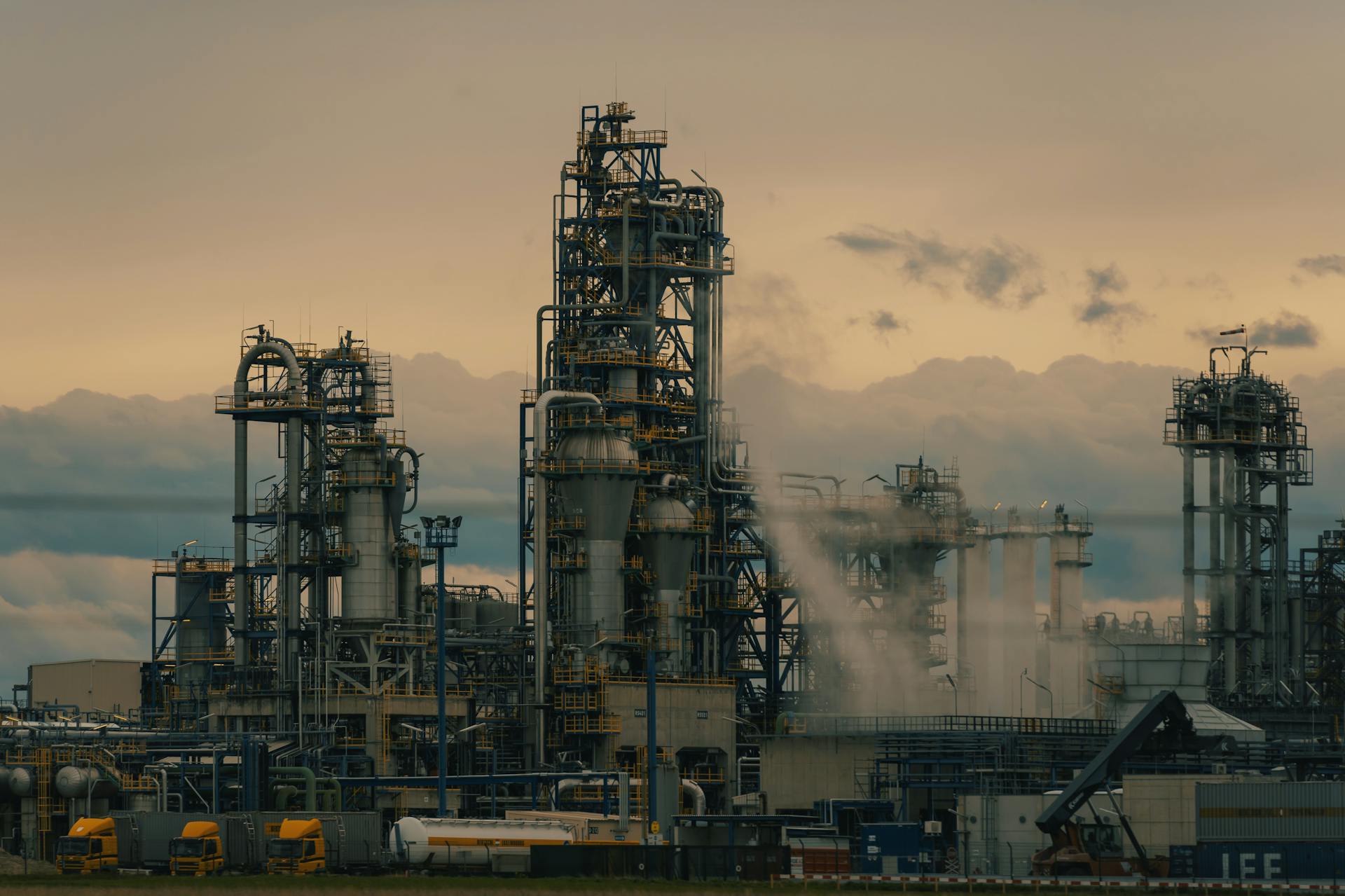


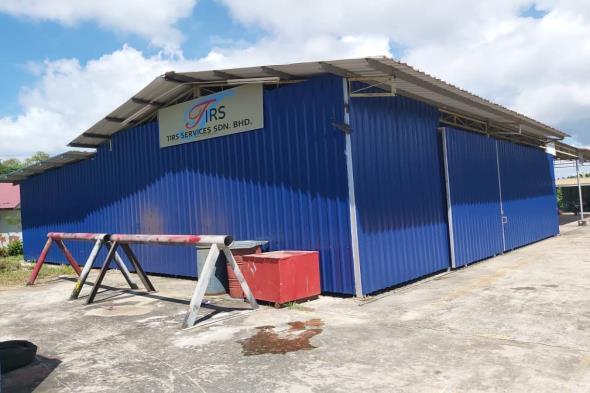
TIRS SERVICES – In the oil and gas industry, storage tanks play a vital role in holding crude oil, refined products, chemicals, and other hazardous substances. Over time, these tanks accumulate sludge, sediment, wax, scale, and other contaminants that can negatively impact operational efficiency and safety. If not properly managed, dirty tanks can lead to serious operational disruptions, environmental hazards, and regulatory violations. This is why professional tank cleaning is not merely a maintenance activity but a critical operational requirement. Professional tank cleaning ensures that tanks remain safe, efficient, and compliant with industry standards while extending the lifespan of valuable assets.
Understanding Tank Contamination in Oil & Gas Facilities
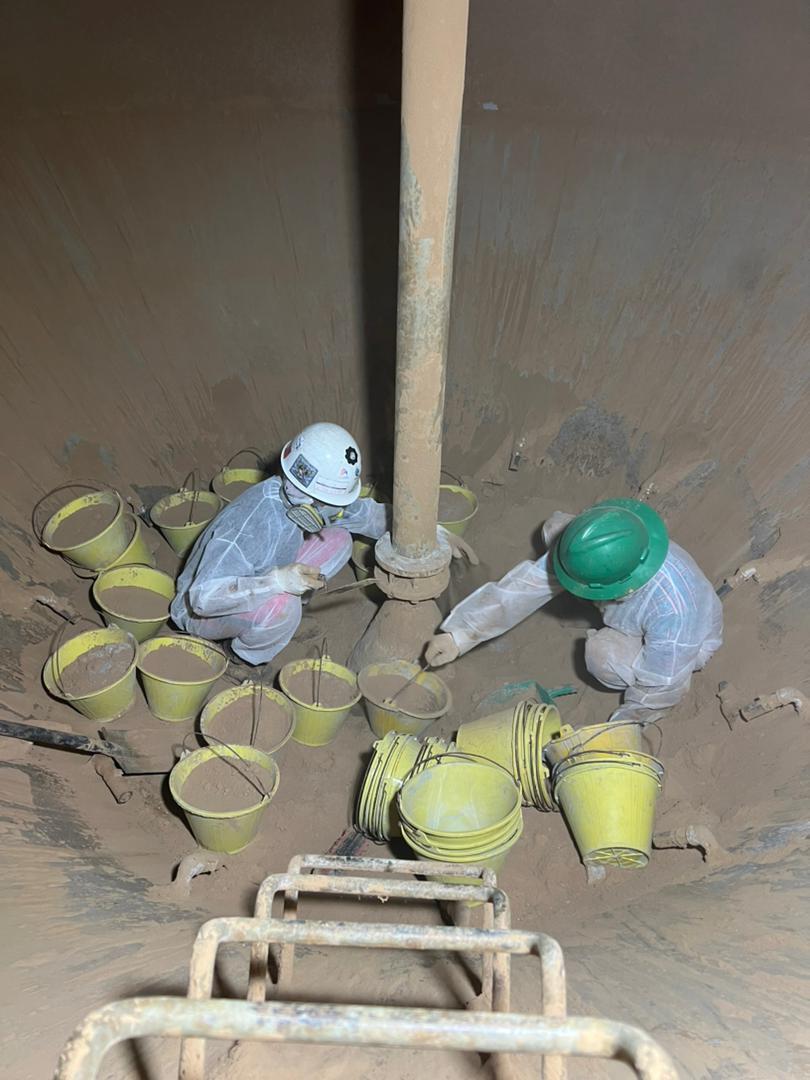
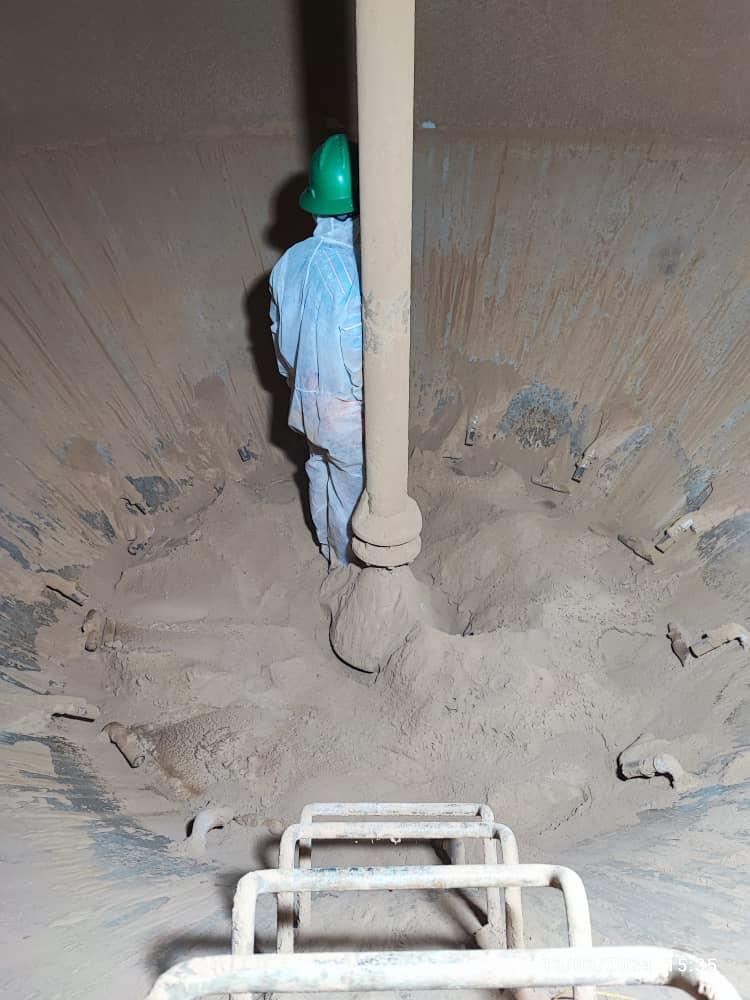
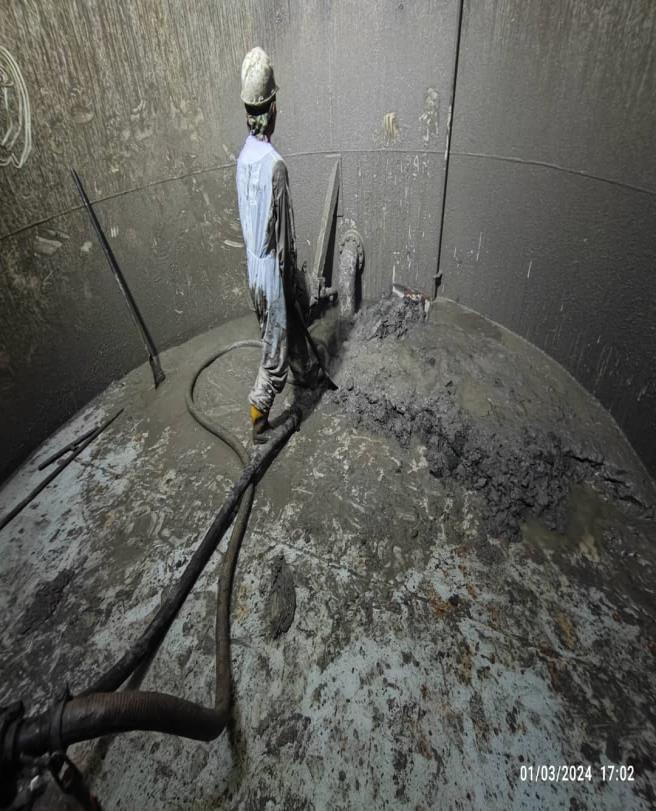
Tank contamination is a natural consequence of storing hydrocarbons and industrial fluids over long periods. Sludge forms from the settling of heavy hydrocarbons, rust particles, and solid impurities. Water accumulation can accelerate corrosion, while microbial growth can further degrade tank integrity. These contaminants reduce the effective storage capacity and interfere with product quality. In severe cases, contamination may cause blockages in pipelines, inaccurate volume measurements, and damage to downstream processing equipment. Without regular and professional cleaning, contamination becomes progressively more difficult and costly to remove.
Safety Risks Associated with Poor Tank Maintenance
Safety is one of the most critical concerns in oil and gas operations. Dirty tanks pose significant risks, including fire, explosion, and toxic gas exposure. Hydrocarbon vapors trapped inside tanks can reach explosive limits, especially when combined with oxygen during maintenance activities. Sludge often contains hazardous chemicals that can release toxic fumes, putting workers at risk of respiratory problems or chemical burns. Professional tank cleaning companies follow strict safety protocols, including gas-freeing, ventilation, confined space procedures, and continuous monitoring, to ensure that cleaning operations are carried out safely and efficiently.
Role of Professional Tank Cleaning Services
Professional tank cleaning services utilize specialized equipment, advanced cleaning techniques, and trained personnel to handle complex cleaning challenges. Methods such as high-pressure water jetting, automated robotic cleaning, chemical cleaning, and vacuum recovery systems are commonly used depending on tank size, content, and condition. These services are designed to minimize human entry into confined spaces, significantly reducing safety risks. By engaging professional cleaners, oil and gas operators ensure that cleaning is thorough, controlled, and aligned with best industry practices.
Regulatory Compliance and Environmental Responsibility
The oil and gas industry is heavily regulated, with strict requirements related to safety, environmental protection, and waste management. Failure to maintain clean tanks can result in non-compliance with regulations issued by environmental agencies and industry authorities. Professional tank cleaning providers understand regulatory requirements and ensure proper handling, treatment, and disposal of recovered waste materials. This helps companies avoid fines, legal liabilities, and reputational damage. Moreover, responsible tank cleaning supports environmental sustainability by preventing leaks, spills, and soil or groundwater contamination.
Operational Efficiency and Cost Optimization
Clean tanks contribute directly to improved operational efficiency. When tanks are free from sludge and deposits, storage capacity is maximized, and product transfer processes become smoother and more reliable. Accurate volume measurements and improved product quality reduce losses and reprocessing costs. Although professional tank cleaning requires upfront investment, it significantly lowers long-term operational expenses by preventing unplanned shutdowns, equipment failures, and emergency repairs. In this sense, tank cleaning is a strategic maintenance activity that delivers measurable financial benefits.
Extending Asset Lifespan and Preventing Corrosion
Storage tanks represent substantial capital investments. Corrosion caused by accumulated water, sediments, and microbial activity can severely weaken tank walls and floors. Over time, this leads to leaks, structural failure, and costly tank replacement. Professional tank cleaning removes corrosive materials and allows for thorough inspection of tank surfaces. Early detection of corrosion or structural damage enables timely repairs, extending the service life of tanks and ensuring continued operational reliability.
Minimizing Downtime Through Planned Maintenance
Unplanned downtime is one of the most expensive challenges in oil and gas operations. Professional tank cleaning can be integrated into planned maintenance schedules, minimizing disruption to production. Modern cleaning techniques, including automated and online cleaning systems, allow tanks to be cleaned faster and more efficiently than traditional methods. This enables operators to resume normal operations quickly while maintaining high safety and quality standards.
Technological Advancements in Tank Cleaning
Advancements in tank cleaning technology have significantly improved safety, efficiency, and environmental performance. Robotic cleaning systems, for example, reduce the need for manual entry into tanks and allow continuous operation. Closed-loop cleaning systems recover hydrocarbons from sludge, enabling reuse and reducing waste. These innovations not only improve cleaning outcomes but also align with industry goals for sustainability and operational excellence. Professional service providers continuously invest in new technologies to meet evolving industry demands.
Conclusion
Professional tank cleaning is an essential component of safe, efficient, and sustainable oil and gas operations. By addressing contamination, reducing safety risks, ensuring regulatory compliance, and extending asset lifespan, professional cleaning services deliver value far beyond basic maintenance. In an industry where safety, efficiency, and environmental responsibility are paramount, investing in professional tank cleaning is a strategic decision that supports long-term operational success. Companies that prioritize regular and professional tank cleaning position themselves to operate more reliably, protect their workforce, and meet the highest industry standards.